
Other Associated Terms: Permanent Makeup, Micropigmentation, Dermapigmentation, Tattoo Makeup, Cosmetic Tattooing.
The Growing Popularity of Permanent Cosmetics
Permanent cosmetics which can include permanent lip liner, permanent eyeliner, permanent eyebrows or even micropigmentation camouflage of scars are increasing in popularity.
This technique refers to a method of applying coloration to a person’s skin in the same manner that a tattoo is applied. Many famous celebrities have had permanent cosmetic procedures done – such as Cher, Angelina Jolie and Britney Spears.
From the time-consuming, hectic schedules of working women to a patient desiring a reduction in the visibility of a post-operative scar, micropigmentation can be the choice of many individuals.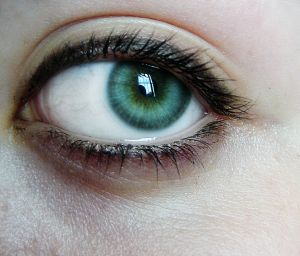
Regulations pertaining to permanent makeup can vary from one country to another and in the United States, it may even vary from city to city. While in the U.S. the regulations fall under the jurisdiction of the Dept. of Health, it is usually the State Boards of Cosmetology that actually oversee regulations.
In some regions, for example, cosmetologists are not allowed to perform micropigmentation procedures. Another example is exclusive to Australia, where it is prohibited to advertise micropigmentation procedures as “permanent”, since tattoos will fade over time and touch ups will be required every 3-5 years.
Benefits of Permanent Cosmetics
There can be many benefits associated with micropigmentation. The American Academy of Micropigmentation lists several including; the convenience of not having to apply makeup on a daily basis which, in the long run, can save about a hundred hours a year. There is also the elimination of possible allergic reactions that can occur with traditional makeup.
For those who would normally have difficulty applying makeup (for example, arthritis patients), application problems are no longer an issue. The makeup appearance is always “perfect” (smearing is not problem). Changes to the face, such as lip lines that are uneven, can be corrected.
Medical issues related to long hours of computer use or LASIK surgery can also be reasons to seek micropigmentation. An active, outdoors lifestyle can necessitate a need for elimination of applying makeup in a difficult environment.
Micropigmentation can also provide a more “natural look” that is difficult to achieve with traditional makeup. Compensation for loss of hair (eyebrows, hair line and sideburns) can be made with micropigmentation. Skin discolorations and certain scarring issues can be addressed with micropigmentation.
Comparing Permanent Makeup to Traditional Makeup
Permanent makeup offers a convenient solution for individuals who want a low-maintenance beauty routine without the hassle of daily makeup application. Unlike traditional cosmetics, which can smudge, fade, or require frequent reapplication, micropigmentation remains intact even during physical activities, swimming, or humid conditions.
However, some individuals may still prefer traditional makeup for versatility, as permanent makeup results are long-term and not as easily altered. Consulting with a specialist can help determine if micropigmentation is the right choice based on your beauty goals, lifestyle, and skin type.
Ideal Candidates for Micropigmentation
An ideal candidate for micropigmentation is someone who is in good health and has a realistic expectation of the results that will be obtained with this procedure.
It is important to be extremely specific about what you want and the exact color of the effect desired (especially lip color). A maximum age limit on permanent makeup does not apply. Senior citizens (with good skin) can be candidates for micropigmentation.
However, woman under the age of 35 are usually not good candidates since they may not be comfortable with a makeup appearance that would last a lifetime. Also women with ethnically darker skin tones may not be good candidates, since darker lip pigmentation may prevent the micropigmentation colors from showing up properly.
In addition, those who spend a large amount of time in tanning booths, or out in the sun, are discouraged from micropigmentation since the pigment colors can change.
Procedure for Micropigmentation
The micropigmentation procedure involves not only the surface of the skin (epidermis), but the layer beneath the surface (dermis). The reason for this is that the surface of the skin will normally shed dead skin cells – which would alter the coloration results of the procedure.
Therefore, the color (pigment) is tattooed onto both layers of the skin. The lightness/darkness of the pigment will initially be discussed with your doctor. Normally, patients choose a lighter color and then schedule another treatment to darken that color.
It’s been reported that the application process of permanent cosmetics is generally more comfortable that what was originally anticipated. This is the result of improvements in anesthetics that are specifically designed for micropigmentation. The typical time that it takes for the anesthetic to become effective is thirty minutes. At this point, pigment will be applied using either an electric or hand tool.
Hand tools originated from ancient methods that used a sharp instrument to place pigment underneath the skin. Hand tools have been mostly replaced by mechanized equipment such as the cosmetic pen (rotary pen) or a coil machine. Even so, there are an increasing number of specialists who use the hand tool method citing control, convenience and patient comfort.
Since sterilization is of prime importance, needles are provided by manufacturers in pre-sterilized packages. During the procedure, the tool that is used implants tiny, biologically neutral, pigment granules below the skin surface.
Upon completion of the micropigmentation procedure, aftercare instructions will be given and the patient is sent home. A follow up appointment will usually be set be set for touchups, etc.
Micropicmentation Aftercare
An aftercare kit may be given that can include eye drops, ice packs and ointments. You can expect some swelling – especially with procedures that involve lip coloration or eyeliner application. This will usually be most noticeable for the first day following the procedure. Healing time that involves the appearance of the coloration will vary and should take up to several days.
Ice packs can be used in order to reduce discomfort and the procedure area should be protected from the sun. For those who suffer from chronic cold sores, your doctor can help prevent reactions with prescription medication.
In 4-6 weeks, you will have a follow up visit to your cosmetic surgeon. Most micropigmentation procedures involve more than one visit. The second visit will be similar to the first procedure but will usually take less time. The recovery time will be the same, however.
Occasionally, another procedure may not be needed and the only thing that remains to be done is the taking of “after” photos. If additional work is done, you may still be requested to come back for a photo session.
Note: Make sure to tell any subsequent physician that you have received micropigmentation. There are medical considerations and restrictions that may apply to certain future procedures such as an MRI.
Longevity and Maintenance of Permanent Makeup
Although the term “permanent makeup” suggests that results last forever, micropigmentation does fade over time. Factors such as sun exposure, skin type, and lifestyle habits can influence how long the pigment retains its vibrancy.
On average, touch-ups are needed every three to five years to maintain the desired color and definition. Using SPF protection, avoiding excessive exfoliation, and following aftercare instructions can help prolong results.
If fading occurs unevenly or if color corrections are needed, consult your provider for a touch-up session to restore symmetry and enhance your features.
Risks Associated with Permanent Cosmetics
All cosmetic procedures carry some risk. These can include infection (which can be treated with antibiotics), allergic reactions, formation of keloids and granulomas.
The FDA hasn’t attempted to regulate the use of micropigmentation inks/pigments, yet those pigments are subject to FDA approval and regulations.
As mentioned earlier, micropigmentation is not actually “permanent” (in its initial results) since age can change coloration and colors can be affected by sunlight exposure.
Micropigmentation Costs
Micropigmentation can cost an average of $350 - $600, per procedure. The fees depend on the region where the micropigmentation is performed and the qualifications of the individual performing the procedure (for example, an experienced cosmetic physician may command more than one technician). Please note that quoted fees may possibly only cover physician costs and may not cover all miscellaneous expenses. The complete procedural costs should be obtained during your consultation.
Since most medical insurance companies will not cover the cost of micropigmentation procedures, you may wish to discuss financing with your doctor (if needed).
Key Considerations for Your Micropigmentation Consultation
Please be aware that licensing requirements will vary from location to location. For example, in California, no license is needed to provide micropigmentation. Other states have requirements that range from those of a licensed tattoo artist to those of a licensed medical professional. This can mean the difference between someone who purchased equipment that included a home video course and a licensed cosmetic surgeon.
Be sure to check on the credentials of the individual providing your treatment. Some suggestions:
Obtain references from former patients, the Society of Permanent Cosmetic Professionals and the American Academy of Micropigmentation.
Inquire about the practitioner’s experience (how many of your type of procedure have been performed in the last year?). View numerous before and after photos and inquire about the equipment and pigmentation that will be used.
You will also want to know the length of the procedure, where it will be performed and the total costs associated (including follow up visits). Also, what are the possible risks and side effects and how often do these occur in that particular practice.
Choosing the Right Micropigmentation Specialist
Selecting a qualified professional for your permanent makeup procedure is essential to achieving natural-looking, long-lasting results. It is highly recommended to seek out a board-certified cosmetic surgeon, dermatologist, or licensed permanent makeup artist with extensive experience in micropigmentation.
Be sure to ask about their training, certifications, and the number of procedures they have performed. Additionally, check online reviews, request before-and-after photos, and inquire about sterilization protocols to ensure safety.
Since regulations vary by state and country, verifying the practitioner’s credentials can help prevent complications and ensure a high standard of care.